
All Over Print (AOP) Fabric Bangladesh — Precision Digital Printing for Bulk Garment Orders
Introduction
If you’re sourcing all over print (AOP) fabric in Bangladesh, you already know the real challenge isn’t finding a printer — it’s finding one that hits color accuracy order after order, at the volumes your buyers actually need. At Maass Tex, we run digital AOP printing lines built for exactly that: repeat orders, tight delivery windows, and design files that need to look identical on roll one and roll one thousand. This page walks you through how our process works, what drives cost, and why garment buyers keep coming back to us for their AOP fabric runs.
What is AOP Printing? And Why It Matters for Garment Buyers
All over print — AOP — means the design covers the entire fabric surface, edge to edge, with no repeat gaps or visible seams in the pattern. It’s the standard now for fashion-forward apparel: leggings, swimwear, dresses, kidswear, activewear. Buyers ask for it because it lets brands put a full design story on a garment instead of a printed patch or panel.
The catch is that AOP is unforgiving. A repeat pattern that’s off by even a few millimeters, or a color that shifts batch to batch, ruins a production run. That’s why digital textile printing in Bangladesh has largely replaced older rotary and screen methods for this kind of work — digital gives you pattern precision and color consistency that manual registration simply can’t match at scale.
Sublimation vs. Pigment Print — Which One Do You Need?
Buyers often come to us without a firm answer on print method, and that’s fine — it depends on the fabric and end use.
- Sublimation printing works on polyester and poly-blends. The dye actually bonds into the fiber under heat, so the print won’t crack, peel, or fade with washing. It’s the go-to for activewear, swimwear, and performance fabric.
- Pigment printing sits on top of the fiber and works across natural fibers like cotton, viscose, and blends where sublimation isn’t chemically possible. It’s the right call for casualwear and fashion cottons.
We’ll usually ask about your fabric composition and end-use before recommending a method — getting this wrong is the single biggest reason AOP orders fail quality checks.
Our AOP Printing Process
Every order runs through the same disciplined sequence, whether it’s a sample yardage or a 20,000-meter production run.
1. Design File Review and Repeat Setup
We check your design file for resolution, color mode, and repeat pattern printing fabric compatibility before anything goes near a machine. Low-resolution or incorrectly tiled files get flagged here — not after printing, when it’s too late and too expensive to fix.
2. Color Matching and Lab Dip Approval
Using spectrophotometer-based color matching, we build a digital color profile against your Pantone or physical swatch reference. You approve a lab dip before bulk production starts. This step alone is what protects high resolution fabric printing jobs from the color drift that plagues cheaper AOP shops.
3. Machine Printing Run
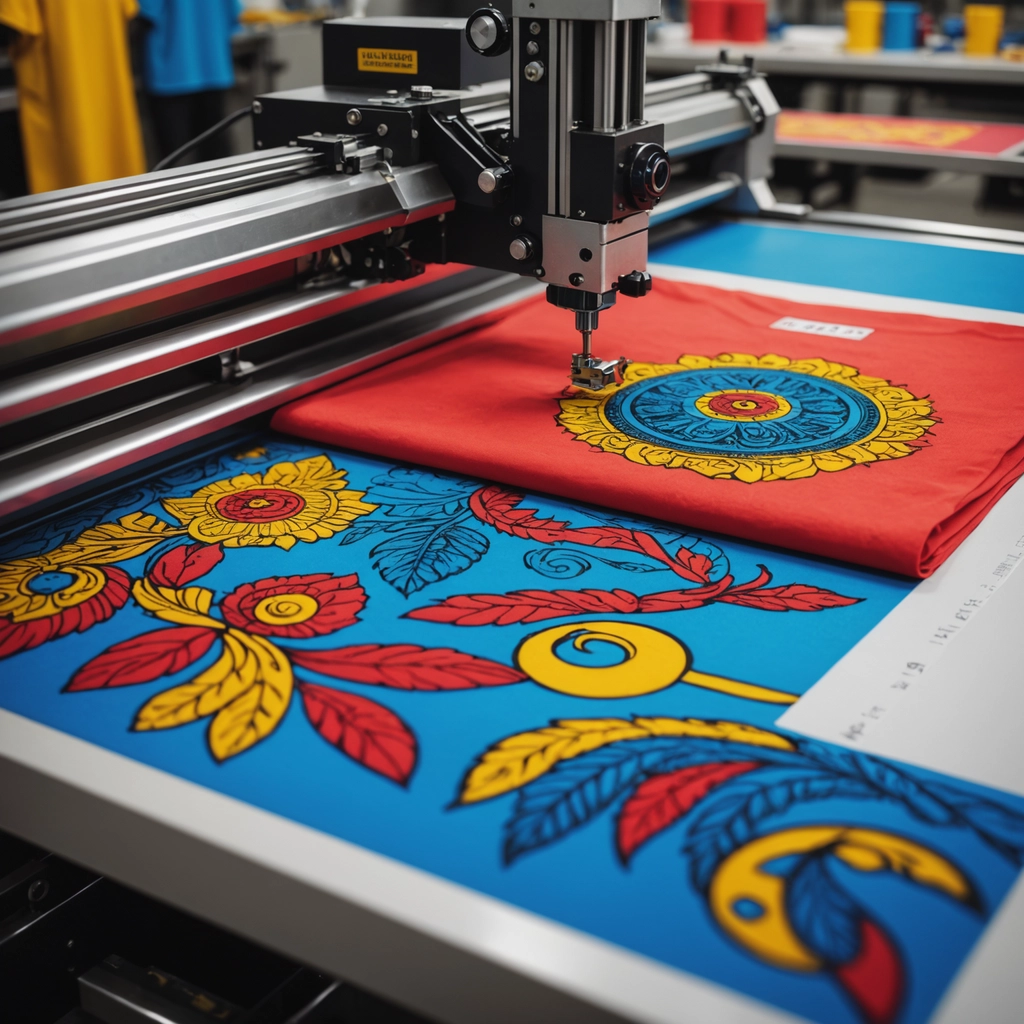
Our digital printing machines run at production-grade speed and resolution, so we’re not trading detail for turnaround. We monitor color accuracy digital print consistency continuously through the run, not just at the start.
4. Steaming, Washing, and Fixation
For sublimation and reactive pigment work, fabric goes through heat fixation and washing to lock in color fastness and remove excess dye or paste. This is where color that “looks right off the machine” either holds up — or doesn’t.
5. Quality Inspection and Shade Banding Check
Every roll gets inspected for shade banding, repeat misalignment, and print defects before it’s packed. We hold ourselves to [INSERT CERTIFICATION/LICENSE] standards for quality control documentation, so buyers get inspection reports alongside their shipment, not just a promise.
6. Packing and Dispatch
Rolls are packed per your buyer’s shipping spec — moisture-protected, labeled, and documented for customs and quality traceability.
Why Choose Maass Tex for AOP Printing in Bangladesh
Built for Buyer-Grade Consistency, Not One-Off Samples
We’ve run AOP orders for buyers who needed the third repeat order to match the first one exactly, six months apart. That’s the actual test of a digital fabric printing factory in Bangladesh — not whether it can print one nice sample, but whether it can reproduce that sample reliably at scale.
In-House Color Management
Color accuracy isn’t outsourced or eyeballed at Maass Tex. We manage it in-house with calibrated equipment, so approvals you sign off on match what actually ships.
Fast Turnaround Without Cutting Corners
We understand buyers are usually working against a merchandiser’s calendar. Our production planning is built to hit realistic lead times without skipping the inspection and fixation steps that protect quality.
Direct Communication With Decision-Makers
You’re not routed through three layers of account management before getting a straight answer on your order. Our team, led by [Noorjahan Ferdousi, CFO], stays close to production so buyer questions get answered by people who actually know the run status.
AOP Printing for Garment Buyers Across Categories
Fashion and Casualwear Buyers
For cotton and viscose-heavy fashion lines, we lean on pigment printing to hit custom print fabric design requirements without compromising fabric hand-feel.
Activewear and Swimwear Buyers
Sublimation printing on polyester and spandex blends gives activewear buyers wash-durable, fade-resistant prints that hold up to the stress performance fabric actually sees.
Kidswear and Fashion-Forward Small-Batch Buyers
Smaller minimums with fast repeat-order turnaround matter more here than raw volume — our digital setup handles shorter runs without the setup penalties associated with older screen printing methods.
AOP Printing Pricing: What Affects Your Cost
We keep pricing conversations straightforward, because buyers comparing an AOP printing service in Bangladesh need real numbers to plan a costing sheet, not vague quotes.
Fabric Type and GSM
Polyester and poly-blends priced for sublimation differ from cotton and viscose priced for pigment printing. Heavier GSM fabric also affects machine speed and cost per meter.
Print Complexity and Color Count
More colors and finer detail in the design file increase color management time, even though digital printing doesn’t have the per-color screen costs of traditional methods.
Order Volume
Like most textile printing, per-meter cost drops as volume increases. Sample and small-batch runs carry a higher per-unit cost to cover setup and color matching time.
Finishing Requirements
Steaming, washing, and any additional fixation or coating processes add to the base printing cost but are non-negotiable for durable, buyer-grade output.
For a firm quote, share your fabric spec, design file, and target quantity — we’ll turn around pricing fast because we know you’re usually working against a buyer’s own deadline.
Signs You Need a Better AOP Printing Partner
Shade Variation Between Rolls or Repeat Orders
If your current supplier can’t reproduce the same color on a repeat order, that’s a color management problem, not bad luck.
Repeat Pattern Misalignment
Visible seams, gaps, or shifted patterns in the print repeat point to poor pre-press file checking — a step that should catch this before printing, not after.
Slow Turnaround on Bulk Orders
If sample approval takes days but bulk production takes weeks longer than quoted, that’s a capacity or planning issue worth solving before your next order.
Print Fading or Cracking After Wash
This usually means the wrong print method was used for the fabric — pigment on a fabric that needed sublimation, or inadequate fixation.
Frequently Asked Questions
What’s the minimum order quantity for AOP printing at Maass Tex?
We work with both sample yardage and full bulk production runs. Minimums depend on fabric type and print complexity, so it’s best to share your specific requirement — we’ll confirm what’s realistic for digital textile printing at your target volume.
How long does an AOP printing order take?
Turnaround depends on order size, design complexity, and whether it’s a first-time color match or a repeat order. Repeat orders with an approved color profile move faster since lab dip approval is already done.
Can you match an exact Pantone or existing swatch color?
Yes. Our color matching process uses spectrophotometer-based profiling against your Pantone reference or physical swatch, and we get lab dip approval from you before any bulk sublimation printing fabric BD run begins.
Do you print on both polyester and cotton fabric?
Yes — polyester and poly-blends typically go through sublimation printing, while cotton and viscose fabrics go through pigment printing. We’ll recommend the right method based on your fabric composition and end use.
What happens if there’s a color or print defect in the bulk run?
Every roll goes through inspection for shade banding and repeat misalignment before packing. If a defect is found, we address it before dispatch — our goal is that what leaves the factory already meets the approved standard, not that problems get caught by your QC team later.
Get Your AOP Fabric Printed Right — Talk to Maass Tex
If you’re a garment buyer sourcing all over print (AOP) fabric in Bangladesh and tired of shade drift, missed deadlines, or repeat orders that don’t match the original, we’d like to quote your next run. Send us your fabric spec and design file, and we’ll come back with a straight quote and a realistic timeline — no vague promises, just a process built to reproduce what you approved.